Beat the Heat campaign launched to drive extreme heat awareness among vulnerable residents, elderly
17 October 2024
This week the City launched a new heat-health awareness campaign in Joe Slovo and it will be reaching out to some of its most vulnerable groups, starting with elderly residents, across the metro. With many areas in Cape Town often experiencing temperatures hotter than 35°C and extreme heat events expected to increase in frequency as the climate changes, being heat smart will become increasingly important.
The first phase of the Beat the Heat programme is being implemented in vulnerable communities located in regions often experiencing summer temperatures hotter than 35° C such as Atlantis, Mamre, Dunoon, Joe Slovo and Sir Lowry’s Pass Village.
According to temperature data from the South African Weather Service, Cape Town experienced five heatwaves during January 2024 ranging in temperatures of between 32°C to 44 °C. Other areas that experienced temperatures above 40 °C during the past summer include Atlantis (42°C), Dunoon (40°C), Kirstenbosch (40°C), Royal Yacht Club (representing the broader harbour/Cape Town CBD area) (44°C) and Observatory area (42°C).
The campaign has been developed as part of the City’s Heat Action Plan and it is being implemented by a number of departments including Risk and Resilience, Environmental Management, Disaster Risk Management and City Health.
Key tips to Beat the Heat include:
- Water: Drink plenty of water. Use of water in spray bottles to cool down. Carry a wet cloth/face towel to wipe the face and neck when hot, and submerge feet in cold water to help regulate blood flow that will help to cool the body.
- Seek relief in covered public spaces such as shopping malls and libraries.
- Wear a wide-brim hat, lightweight, loose clothing and take cool showers or baths.
- Limit outdoor activity to earlier or later in the day.
- Take action at the first sign of a heat-related illness like muscle cramps, heavy sweating, nausea, vomiting, dizziness, fainting, confusion, a fast pulse and high body temperature. Seek emergency medical assistance immediately.
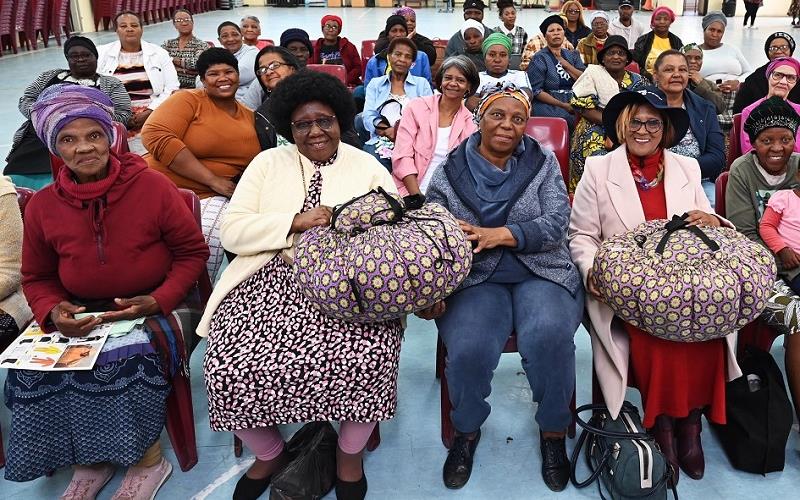
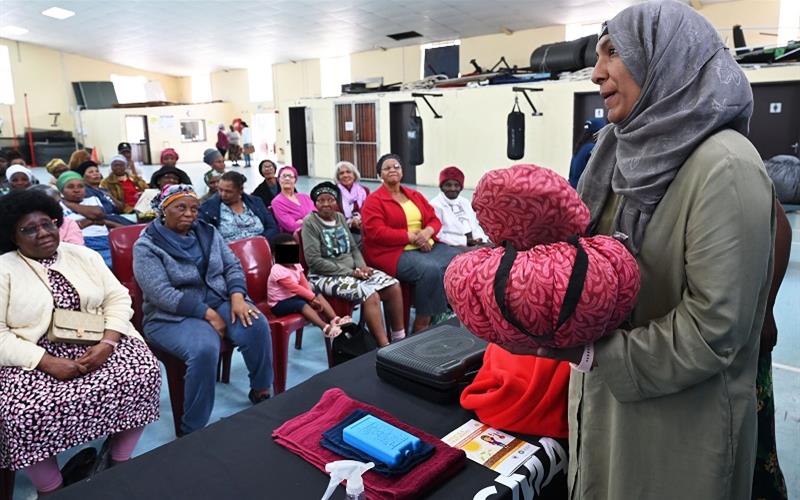
Outreach days include education on good hygiene practices during extreme heat events and how to make one’s own smart cooker to reduce heat generated indoors.
Participants also receive:
• A wide-brim hat
• Smart cooker bag
Underlying much of the actions being taken is the Evening Temperature Model that forms part of a 200 km2 Cape Town Heat Mapping project conducted on a hot day on 28 February 2024 by the World Bank.
It showed a range of temperatures, but the highest ambient temperature on that day of 41,6 degrees Celsius was recorded in the Woodstock area. On a household level though, how the high temperatures are experienced in low-income areas and areas of informality and among vulnerable residents is typically very different to the middle- to high-income areas where there is generally more vegetation, different shelter and resources to respond to heat. Additionally, while extreme temperatures affect all age groups and populations, some groups are more exposed to the risks posed by heat events as a result of their body’s ability to cool itself, which is impacted by age and existing chronic illness.
‘It is this range of response to extreme heat days that as a city, we must tackle to ensure that those who are more vulnerable are supported as far as possible. Local government must take the lead. As part of our first phase focus, we are looking at our elderly residents who are typically disproportionally affected by extreme weather events such as high heat days due to their age, which reduces the body’s ability to cool itself, frailty and mobility challenges, often living alone and limited access to information and awareness of their own vulnerability.
‘Thus, their risk and exposure to adverse health effects could intensify and increase the risk of death due to extreme heat,’ said Alderman Eddie Andrews, Deputy Mayor, City of Cape Town.
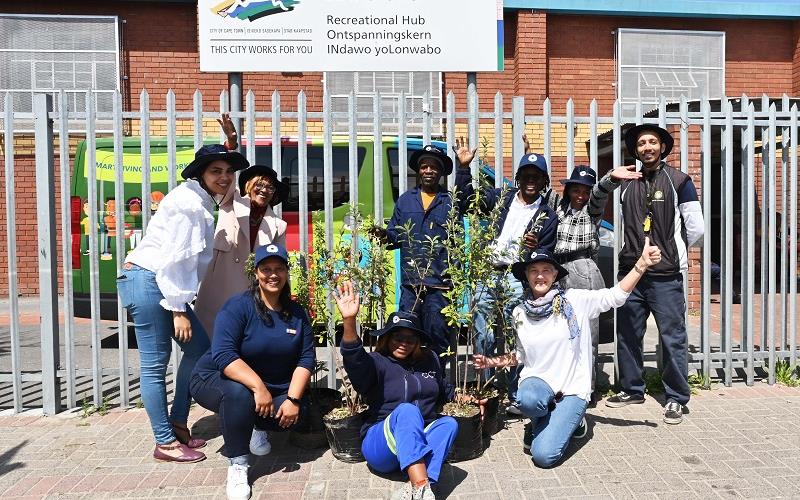
‘This outreach and awareness programme combines education on heat-health management, energy efficient practices to reduce heat generated in the home and enhanced environmental health. In addition, it includes planting trees at the City facility where each programme event is being hosted. We look forward to the roll out of this programme in all of our most vulnerable communities,’ said Councillor Ursula Barends, member of the Future Planning and Resilience Portfolio Committee, at the Beat the Heat event launch in Joe Slovo.
Why preparing for extreme heat is important
Extreme heat and heat waves are described by the World Health Organisation as silent emergencies that are among the most dangerous of natural hazards, and yet it is a risk that is often discounted as being a normal part of summer in warm and hot climates.
Climate change projections for Cape Town indicate that average temperatures, high heat days and heat waves are set to increase in length, frequency, and intensity.
Cape Town’s vulnerability to high heat days
- Residents: Elderly, children under five, pregnant women and other vulnerable residents in informality.
- Locations most at risk to heat are dense urban areas: Cape Town CBD and other business districts; industrial areas; dense residential areas, informal settlements, areas of densification around transport corridors and schools and ECDs built of prefabricated material.
- Lack of greening in some areas has a profound impact and is a big focus of the City’s forward planning work.
- Cape Town’s workforce is at particular risk: This is specifically those working outdoors whose exposure to heat for long periods of time can have devastating health impacts and impact the ability to complete tasks and concentrate.
Other City interventions to address heat
- The Urban Forest Policy
- The Climate Change Strategy and Action Plan
- The Green Infrastructure Programme and Network
- The Biodiversity Network and Local Biodiversity Strategy and Action Plan
- Heat mitigation is also integrated into the City’s Municipal Spatial Development Framework as a planning consideration.
End
Published by:
City of Cape Town, Media Office